
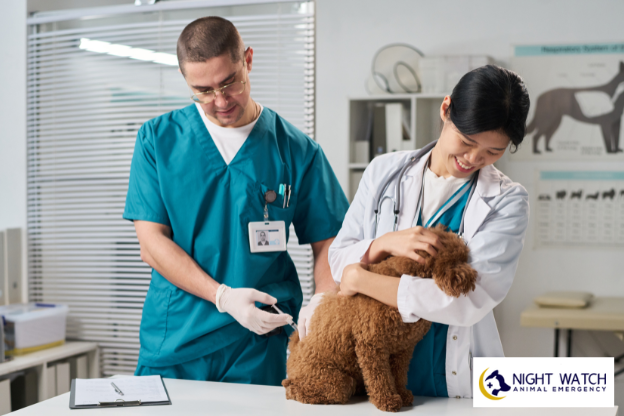
Preventive veterinary care helps adult dogs and cats stay healthier by catching problems early, keeping vaccines up to date, and monitoring for hidden illnesses before they become emergencies. Annual pet wellness exams, routine testing, and booster shots for dogs and cats are some of the most effective ways to protect your pet’s long-term health.
Many illnesses in pets develop gradually and may not show symptoms right away. Regular veterinary visits give your veterinarian a chance to look for early signs of disease, discuss lifestyle changes, and recommend the right vaccines and testing schedule for your pet’s age, health history, and risk factors.
Table of Contents
ToggleWhat Is Preventive Care for Adult Dogs and Cats?
Preventive veterinary care includes routine services that help reduce the risk of illness and identify medical concerns early.
For adult pets, preventive care often includes:
- Physical exams
- Adult dog vaccines and adult cat vaccines
- Booster shots for dogs and cats
- Heartworm testing
- Fecal testing for parasites
- Bloodwork
- Dental evaluations
- Weight management
- Flea, tick, and parasite prevention
Routine wellness care is important because many pets appear healthy even when an underlying condition is developing.
Why Are Annual Pet Wellness Exams Important?
An annual pet wellness exam allows a veterinarian to evaluate your pet’s overall health, identify changes from previous visits, and recommend vaccines or testing based on your pet’s lifestyle.
During an exam, a veterinarian may check:
- Weight and body condition
- Skin and coat health
- Eyes, ears, and teeth
- Heart and lung function
- Joint mobility
- Signs of pain or discomfort
- Changes in appetite, thirst, or behavior
Veterinary guidelines recommend that dogs and cats receive at least one veterinary examination every year, while senior pets may benefit from exams every six months.
For pet owners looking for an animal hospital San Antonio, routine wellness visits can help reduce the risk of unexpected emergencies later.
Which Adult Dog Vaccines Are Recommended?
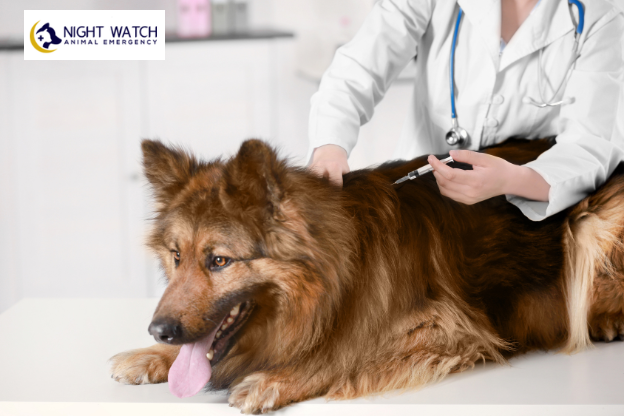
Adult dog vaccines are generally divided into core and non-core vaccines. Core vaccines are recommended for most dogs and may include:
- Rabies
- Distemper
- Parvovirus
- Adenovirus
Non-core vaccines may be recommended based on your dog’s lifestyle, boarding needs, travel history, grooming visits, or exposure to other animals. These may include:
- Bordetella
- Leptospirosis
- Lyme disease
- Canine influenza
Rabies vaccination is especially important because it is required by law in many states and helps protect both pets and people.
Which Adult Cat Vaccines Are Recommended?
Adult cat vaccines also include core and lifestyle-based vaccines. Core vaccines for most cats include:
- Rabies
- Feline herpesvirus
- Calicivirus
- Panleukopenia
Some cats may also need protection against feline leukemia virus, depending on their age, lifestyle, and risk of exposure.
Indoor cats still need vaccines because they can be exposed to disease through open doors, new pets, boarding, or accidental escapes.
Cats should have their vaccination needs reassessed every year as part of a wellness exam.
Why Do Booster Shots Matter?
Booster shots for dogs and booster shots for cats help maintain immunity over time.
Some vaccines require annual boosters, while others may be given every three years depending on the vaccine type, your pet’s health status, and state regulations.
Missing booster appointments may leave pets vulnerable to preventable diseases. If your pet is overdue, your veterinarian can determine whether they need a single booster or a restart of the vaccine schedule.
What Testing Should Adult Pets Receive Each Year?
Vaccines are only one part of preventive veterinary care. Annual testing can help identify diseases before symptoms appear.
Common yearly tests may include:
- Heartworm testing
- Fecal testing for intestinal parasites
- Bloodwork
- Urinalysis
- Feline leukemia virus testing
- Feline immunodeficiency virus testing
Dogs and cats should also be screened for parasites annually because worms and parasite infections can affect both pets and people.
An in-house diagnostic veterinary laboratory can provide faster answers when pets are sick or when routine screening identifies a possible concern. Night Watch Elite Animal Emergency offers in-house diagnostic testing that allows veterinarians to quickly evaluate bloodwork, lab samples, and other important health information.
How Does Preventive Care Change for Senior Pets?

As pets age, their risk for arthritis, kidney disease, diabetes, heart disease, dental disease, and cancer increases.
Senior pets often benefit from:
- More frequent wellness exams
- Routine blood panels
- Urine testing
- Blood pressure monitoring
- Dental evaluations
- Joint assessments
Senior exams may also help identify subtle changes in behavior, mobility, or appetite that owners may not notice at home.
When Should You Schedule a Wellness Visit?
If your dog or cat has not had a wellness exam within the past year, now is a good time to schedule one.
Routine preventive care can help identify hidden health issues before they become serious, reduce the risk of infectious disease, and support a longer, healthier life for your pet.
Night Watch Elite Animal Emergency now offers overnight annual wellness visits for pets in the San Antonio area, along with emergency care and in-house diagnostics.
Frequently Asked Questions
How often do adult dogs need vaccines?
Most adult dogs need vaccines every one to three years, depending on the vaccine type, lifestyle, and local requirements.
How often do adult cats need vaccines?
Adult cats usually need vaccines every one to three years. Indoor cats may still need core vaccines such as rabies and feline distemper.
What is included in an annual pet wellness exam?
A wellness exam may include a physical exam, vaccine review, heartworm testing, fecal testing, bloodwork, dental evaluation, and parasite prevention recommendations.
Do indoor cats need vaccines?
Yes. Indoor cats can still be exposed to illness through other pets, visitors, open doors, and boarding facilities.
Why is heartworm testing important?
Heartworm disease can be serious and may not show symptoms early. Annual testing helps catch infections before complications develop.
Conclusion
Preventive veterinary care helps adult dogs and cats stay healthier through vaccines, routine testing, and annual wellness exams. Keeping up with booster shots, parasite screening, bloodwork, and regular checkups can help detect problems early and reduce the risk of serious illness. A proactive approach to your pet’s health can support a longer, happier life.
Schedule Your Pet’s Wellness Visit Today
Whether your pet needs updated vaccines, annual bloodwork, parasite testing, or a routine wellness exam, the team at Night Watch Elite Animal Emergency is here to help. Our overnight wellness services and in-house diagnostics make it easier to keep your dog or cat healthy year-round.