
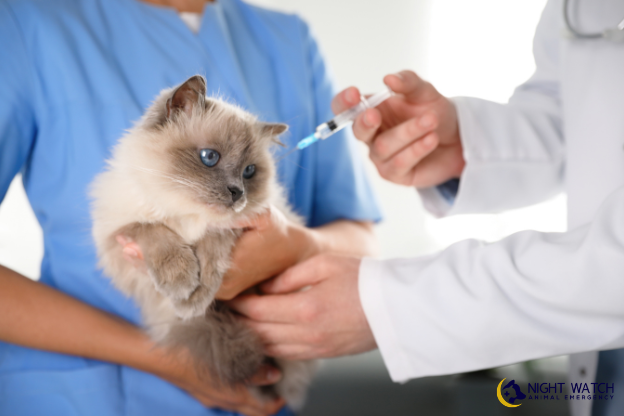
Your kitten’s first year vaccines, deworming schedule, and early diagnostic tests are the most important factors in preventing serious diseases and ensuring long-term health. If done correctly, they protect your kitten from fatal infections like panleukopenia, rabies, and intestinal parasites; if missed, they can lead to costly emergencies or lifelong complications.
For new pet parents, the first year can feel overwhelming. Between vaccine schedules, parasite control, and vet visits, it’s easy to miss critical steps. This guide answers the most common questions cat owners ask, so you can confidently navigate your kitten’s first year with clarity and avoid preventable health risks.
Table of Contents
ToggleWhat Vaccines Does A Kitten Need In The First Year?
During the first year, kittens require a series of core vaccines to build immunity while their immune system is still developing. These vaccines are not optional; they are essential for preventing highly contagious and often fatal diseases.
The most important vaccines include:
- The FVRCP is a vaccine that protects against three major viral infections affecting the respiratory and gastrointestinal systems
- Rabies vaccine for kittens is legally required in the United States and critical for preventing a fatal zoonotic disease
- The FeLV vaccine (Feline Leukemia Virus) is often recommended for kittens that may be exposed to other cats, especially outdoors
What many pet owners don’t realize is that kittens are not fully protected after just one shot. Their immunity develops over time through a series of boosters, which is why timing matters just as much as the vaccine itself.
What Is The Correct Kitten Vaccination Schedule?
A proper kitten vaccination schedule is designed to match the way a kitten’s immune system develops. Vaccines are given in stages to ensure the body builds strong, lasting protection.
Here’s how it typically works:
- 6–8 weeks: First FVRCP vaccine + initial deworming
- 9–12 weeks: Second FVRCP booster + FeLV (if recommended)
- 12–16 weeks: Final FVRCP booster + FELV booster (if recommended) + rabies vaccine
These boosters are spaced every 3–4 weeks because early immunity from the mother gradually fades. If boosters are skipped or delayed, your kitten may remain vulnerable to infections, even if they’ve had one vaccine.
A common mistake pet parents make is assuming indoor kittens don’t need the full schedule. In reality, viruses can enter your home through clothing, shoes, or other pets, making vaccination essential regardless of lifestyle.
What Exactly Are FVRCP, FeLV, and Rabies Vaccines?
Understanding what each vaccine does helps you make informed decisions about your kitten’s care.
FVRCP vaccine protects against three serious conditions:
- Feline herpesvirus (respiratory infection)
- Calicivirus (oral and respiratory disease)
- Panleukopenia (a highly fatal viral infection)
The FeLV vaccine protects against feline leukemia, a virus that weakens the immune system and can lead to cancer or chronic illness. It spreads through close contact, like grooming or shared bowls.
Rabies vaccine is critical not only for your pet but also for public safety. Rabies is always fatal once symptoms appear, and vaccination is legally required across the U.S.
Together, these vaccines form the foundation of your kitten’s preventive care plan.
Why Is Deworming So Important For Kittens?
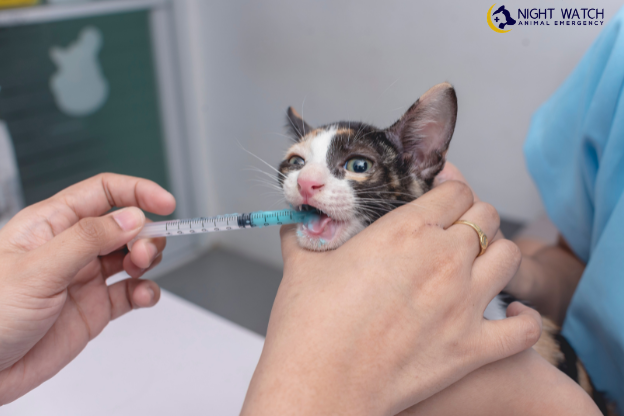
Unlike vaccines, which prevent viral diseases, deworming targets internal parasites, and nearly all kittens are born with them or acquire them early in life.
Parasites such as roundworms and hookworms can silently affect your kitten’s health by stealing nutrients, weakening immunity, and slowing growth. In severe cases, they can cause life-threatening complications.
A typical deworming approach includes:
- Starting treatment as early as 2–3 weeks of age
- Repeating every 2–3 weeks until 12 weeks old
- Continuing with preventive care as recommended by your veterinarian
Pet parents should watch for warning signs like a bloated abdomen, diarrhea, poor weight gain, or visible worms. However, many infections show no obvious symptoms, which is why testing is just as important as treatment.
What Is A Fecal Test, And Why Does Your Kitten Need It?
A fecal test for kittens is one of the most overlooked yet essential parts of early veterinary care. While deworming treats common parasites, a fecal exam identifies exactly what parasites are present, even those that aren’t visible.
This test plays a critical role because:
- It detects hidden infections that routine deworming may miss
- It confirms whether treatment has been effective
- It helps prevent reinfection and spread to other pets
Accurate diagnosis often relies on advanced analysis through a pet pathology lab, ensuring your kitten receives targeted treatment rather than a one-size-fits-all approach. This level of precision can significantly improve outcomes and prevent recurring issues.
When Should You Seek Emergency Veterinary Care?
Even with proper preventive care, emergencies can happen, especially in young kittens whose health can decline rapidly.
You should immediately contact a 24-hour emergency vet in San Antonio if your kitten shows symptoms such as:
- Persistent vomiting or diarrhea
- Difficulty breathing
- Extreme lethargy or collapse
- Refusal to eat for more than 24 hours
Kittens are far more fragile than adult cats, and conditions can worsen quickly. Early intervention is often the difference between a manageable issue and a life-threatening emergency.
What Should You Prioritize During Your Kitten’s First Year?
To simplify everything, think of your kitten’s first year as a combination of three core pillars: vaccination, parasite control, and monitoring.
A well-rounded care plan includes:
- Completing the full vaccine series (not just the first dose)
- Following a consistent kitten deworming schedule
- Performing at least one fecal test for accurate diagnosis
- Scheduling routine wellness exams
- Knowing where to go in case of an emergency
When these elements are combined, they create a strong foundation for lifelong health.
Frequently Asked Questions
When should I start vaccinating my kitten?
Vaccination should begin at 6–8 weeks of age, followed by boosters every 3–4 weeks.
Do indoor kittens really need vaccines?
Yes. Many viruses are airborne or can be carried into your home, putting indoor kittens at risk.
How often should kittens be dewormed?
Typically, every 2–3 weeks in early life, then adjusted based on veterinary guidance.
Is the FeLV vaccine necessary?
It is strongly recommended for kittens that may be exposed to other cats, especially outdoors.
What happens if I delay vaccines or deworming?
Delays can leave your kitten vulnerable to preventable diseases and increase the risk of severe illness.
Conclusion
Your kitten’s first year is critical for building lifelong health through timely vaccinations, proper deworming, and accurate diagnostics. Staying consistent with vet visits and preventive care reduces the risk of serious diseases and emergencies. By following a structured plan and recognizing early warning signs, you can give your kitten the strongest possible start and ensure a healthier, happier future.
Protect Your Kitten’s Health with Expert Veterinary Care
Your kitten deserves the highest standard of care, especially during their first year when they are most vulnerable. From vaccinations and deworming to diagnostic testing and emergency support, having a trusted veterinary team makes all the difference.
If your kitten shows any signs of illness or you need urgent guidance, don’t wait. Visit a 24-hour emergency vet, such as Night Watch Elite Animal Emergency, for immediate care.