
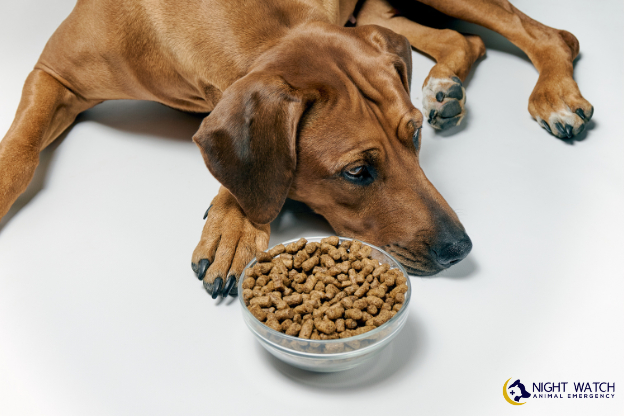
If your dog isn’t eating, the most common reason is an underlying medical, dental, or digestive problem that decreases appetite. In some cases, especially when symptoms appear suddenly, appetite loss is an emergency. Understanding the true cause of a dog not eating can help you take the right steps and seek timely care, especially here in San Antonio, where heat, toxins, and acute illness can escalate quickly.
A dog refusing food is never something to ignore, especially when the change is sudden, combined with vomiting, or accompanied by unusual behavior. While mild appetite dips can happen after stress or excitement, ongoing anorexia (loss of appetite) often points to a deeper issue. At Night Watch Elite Animal Emergency, we frequently see dogs whose appetite changes were the first sign of illness, and early action made a meaningful impact in their recovery. Below, you’ll find a clear, actionable breakdown of possible causes, emergency signs, and what you should do next.
The Most Common Causes of a Dog Not Eating
When dogs stop eating, there is usually a physical, environmental, or emotional trigger. Understanding the most common reasons can help you recognize how urgently your dog may need care.
Common causes include:
- Sudden illness such as infection, GI upset, or fever
- Nausea or vomiting from stomach or organ issues
- Pain from injury or internal inflammation
- Heat-related distress (more common in South Texas summers)
- Behavioral stress from travel, noise, or household changes
- Sudden food change or spoiled food
- Age-related decline in appetite or mobility challenges
Medical Causes That Require Rapid Veterinary Attention
Some health problems affect appetite because they disrupt the body’s normal balance. These conditions may worsen quickly and often require emergency care, especially when combined with dehydration or weakness.
Digestive & Internal Organ Conditions
Gastrointestinal and internal organ diseases frequently suppress appetite due to nausea, pain, or inflammation.
These may include:
- Pancreatitis
- Stomach or intestinal inflammation
- Liver disease or bile obstruction
- Kidney function changes
- Foreign body ingestion (common in puppies and curious dogs)
Infection, Fever & Systemic Illness
When the body is fighting infection, appetite drops as immune activity increases. These illnesses often progress quickly in dogs.
Serious infections include:
- Parvovirus
- Tick-borne disease
- Bacterial or viral infection
- High or prolonged fever
Toxin Exposure
Toxins often cause sudden appetite loss, vomiting, and neurologic symptoms. In San Antonio, heat, backyard wildlife, and seasonal yard care increase risk.
Potential toxins include:
- Human medications such as painkillers or antidepressants
- Xylitol, grapes/raisins, onions, garlic
- Pesticides and cleaning agents
- Regional risks such as toxic toads or outdoor chemicals
Dental & Oral Pain That Makes Eating Difficult
Dogs often refuse food when chewing becomes uncomfortable. Dental pain is one of the most frequently overlooked causes of reduced appetite.
Painful conditions include:
- Infected or abscessed teeth
- Fractured or loose teeth
- Oral tumors or masses
- Severe gingivitis or gum disease
- Foreign material lodged in the mouth or throat
Neurologic Conditions That Affect Appetite
Neurologic issues can impact swallowing, coordination, nausea control, and overall appetite.
Possible neurologic causes include:
- Seizures or post-seizure disorientation
- Head trauma from falls or accidents
- Vestibular disease (dizziness + nausea)
- Nerve or muscle weakness
- Toxin-induced neurologic dysfunction
Behavioral & Stress-Related Reasons Dogs Stop Eating
Although medical causes must always be ruled out first, emotional stress can temporarily reduce appetite. When no physical symptoms are present, stress may be a contributing factor.
Behavior-related causes include:
- Loud noises such as construction or fireworks
- Visitors, household disruptions, or family schedule changes
- Separation or owner absence
- Introduction of new pets
- Eating environment changes (location, bowl type, distractions)
Signs It’s an Emergency: When to Seek Immediate Care
Some symptoms indicate that appetite loss may be part of a more serious medical emergency. These should never wait until morning or a weekday appointment.
Seek emergency care immediately if you notice:
- Vomiting or diarrhea lasting longer than 12 hours
- Refusal of all food and water
- Collapse, shaking, or lethargy
- Distended or painful abdomen
- Pale or yellow gums
- Sudden behavioral changes
- Heat exposure or panting with weakness
- Any suspected toxin ingestion
In these moments, it’s safest to head directly to an animal hospital San Antonio pet owners trust for urgent evaluation.
How Vets Diagnose the Underlying Cause
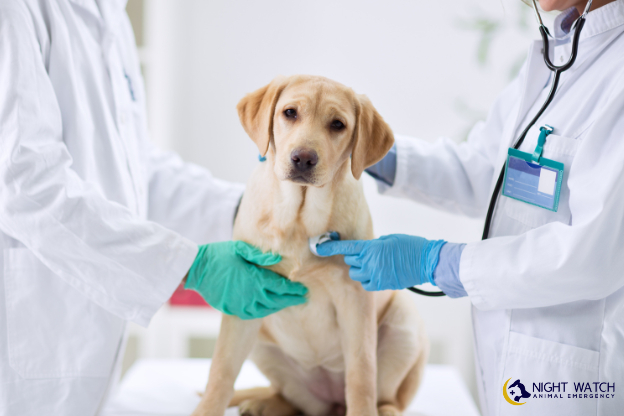
Emergency veterinarians use targeted diagnostics to identify the reason for appetite loss quickly and safely.
Typical diagnostic tools include:
- Full physical exam
- Comprehensive blood work (including pet blood tests in San Antonio)
- X-rays to check for obstruction or abdominal abnormalities
- Ultrasound for organ and GI evaluation
- Urinalysis to assess hydration and kidney function
- Toxin screening or foreign-body imaging
What You Can Do at Home (Before Coming In)
While preparing for veterinary care, there are a few steps you can take to keep your dog safe and stable.
Helpful at-home steps include:
- Offer small amounts of fresh water
- Check your home for chewed objects or missing medications
- Look for signs of pet dehydration, such as sticky gums or sunken eyes
- Do not force-feed, which can worsen nausea
- Avoid giving human foods or OTC medications
- Call your nearest emergency hospital for guidance
Treatment Options at an Emergency Animal Hospital
Once your dog is evaluated, treatment focuses on stabilizing them and addressing the underlying problem.
Treatments may include:
- IV fluids for hydration and stabilization
- Anti-nausea or anti-vomiting medications
- Pain control
- Dental or oral care for abscesses or fractures
- Heatstroke intervention and cooling support
- Toxin reversal or decontamination
- Surgery for obstructions or severe internal issues
Preventing Appetite Loss in Dogs
While not all causes can be prevented, good routines and regular care reduce risk and help you detect changes early.
Helpful prevention tips:
- Keep a consistent feeding schedule
- Avoid sudden food changes
- Store dog food properly to prevent spoilage
- Maintain regular dental cleanings
- Prevent access to household toxins
- Schedule annual wellness screenings and lab work
FAQs
How long can a dog safely go without eating?
Most healthy dogs can go 24 hours without eating, but refusing food beyond that, especially with vomiting, requires prompt evaluation.
My dog is not eating but drinking water. Is that OK?
Drinking water is a good sign, but skipping meals still indicates a potential medical issue and should be evaluated if it continues.
Should I try switching foods if my dog won’t eat?
It’s best not to immediately switch foods; sudden diet changes can worsen nausea or GI upset.
When should a puppy refusing food be considered an emergency?
Puppies should be seen right away; they dehydrate and decline faster than adult dogs, especially in heat.
Should I wait until morning or go to an emergency vet?
If your dog shows red-flag symptoms, refuses food and water, or appears weak, go to an emergency hospital immediately.
Conclusion
Loss of appetite is one of the earliest warning signs that something may be wrong with your dog, especially when symptoms appear suddenly or come with vomiting, weakness, or behavior changes. Understanding the possible cause of the dog not eating helps you act quickly, and timely emergency care can make all the difference. When in doubt, it’s safest to have your pet evaluated right away.
Final Note: We’re Here for You 24/7
At Night Watch Elite Animal Emergency in San Antonio, our team is available nights, weekends, and holidays to help when your dog stops eating, and you’re worried something serious may be wrong. Quick action is the best way to keep your pet safe; never hesitate to reach out if your dog’s appetite suddenly changes.