
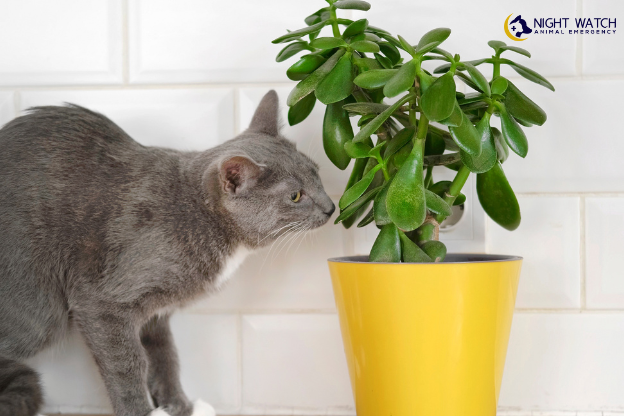
Many everyday plants are poisonous to pets, and even small amounts can cause serious health problems. The fastest way to protect your dog or cat is by learning which plants are dangerous and what to do immediately after pet toxin ingestion. This guide explains the plants most likely to cause harm, signs your pet may be poisoned, and the steps veterinarians recommend you take right away.
As an emergency animal hospital serving pet owners across the USA, we routinely treat dogs and cats who become ill after chewing or swallowing toxic household and outdoor plants. Knowing the most common poisonous plants for pets can help prevent emergency situations before they occur.
What Are the Most Common Poisonous Plants for Pets?
Many popular houseplants, landscaping plants, and seasonal flowers contain natural toxins that can harm pets. Below are the highest-risk plants to keep away from dogs and cats.
Indoor Plants That Are Toxic to Pets
Indoor plants are one of the top causes of accidental pet toxin ingestion because pets have easy access to them.
Common toxic indoor plants include:
- Peace Lily – Causes severe mouth irritation, drooling, and vomiting.
- Aloe Vera – Safe for humans, but toxic to pets; causes diarrhea and lethargy.
- Dieffenbachia (Dumb Cane) – Causes intense oral irritation and swelling.
- Philodendron – Contains oxalates that trigger drooling and vomiting.
- Pothos (Devil’s Ivy), English Ivy – Causes throat swelling and gastrointestinal distress.
- Sago Palm (Indoor and Outdoor) – Highly toxic; can cause liver failure and death even with tiny amounts.
- Snake Plant – Creates nausea and vomiting in dogs and cats.
- ZZ Plant – Causes gastrointestinal upset when chewed.
Outdoor Plants That Are Toxic to Pets
Many pet owners are surprised to learn that their garden or backyard contains plants that pose serious risks.
High-risk outdoor plants include:
- Oleander – Extremely toxic; affects heart function.
- Foxglove – Contains digitalis compounds that disrupt heart rhythm.
- Azaleas & Rhododendrons – Cause vomiting, drooling, and weakness.
- Hydrangeas, Chrysanthemums – Contain cyanogenic glycosides; can cause GI upset.
- Lantana – can cause severe symptoms like vomiting, diarrhea, liver damage, weakness, and even be fatal, so immediate vet care is crucial.
- Tulips, Hyacinths, Daffodils – Bulbs are especially dangerous, contain high toxin levels leading to drooling and heart rate changes.
- Yew – Highly poisonous; ingestion can be fatal.
Poisonous Plants Common in Texas and Across the USA
Since you serve USA-based pet owners (especially the South), these plants deserve special attention.
Plants frequently seen in Texas and the Southern US include:
- Sago Palm (very common in Texas yards) – Causes liver failure.
- Mountain Laurel – Toxin causes drooling, vomiting, and wobbliness.
- Texas Lantana – Causes liver issues and photosensitivity.
- Autumn Crocus – Extremely toxic; leads to multi-organ damage.
- Castor Bean Plant – Contains ricin; incredibly dangerous even in small amounts.
- Nightshade Plants – Cause neurological signs and GI upset.
How to Recognize Signs of Pet Toxin Ingestion
Symptoms can appear within minutes to hours, depending on the plant. Early recognition is vital.
Common signs your dog or cat may have eaten a toxic plant include:
- Sudden vomiting or diarrhea
- Excessive drooling or foaming
- Pawing at the mouth
- Swollen lips, tongue, or throat
- Rapid or slowed heartbeat
- Tremors or seizures
- Collapse or extreme lethargy
- Difficulty breathing
- Dilated pupils (cats especially)
- Behavioral changes such as agitation or confusion
If any of these appear after being near plants, treat them as an emergency.
Immediate Steps to Take If Your Pet Eats a Toxic Plant
What you do in the first several minutes can dramatically affect your pet’s recovery. Stay calm and follow these veterinarian-recommended steps.
Do this immediately:
- Remove plant material from your pet’s mouth if safe to do so.
- Check for symptoms such as vomiting, drooling, or weakness.
- Save the plant or take a photo to help veterinarians identify the toxin.
- Call a veterinarian or pet poison hotline at once.
- Transport your pet for emergency care if symptoms appear or if the plant is known to be toxic.
Do NOT do the following:
- Do not induce vomiting unless a veterinarian specifically instructs you to.
- Do not give milk, food, oils, or home remedies.
- Do not wait for symptoms to worsen.
Early treatment is crucial and may include activated charcoal, IV fluids, and monitoring through veterinary diagnostic labs.
Safe, Pet-Friendly Plant Alternatives
You don’t have to give up indoor greenery, just choose safe varieties.
Better plant choices for homes with pets include:
- Spider Plant
- Areca Palm
- Boston Fern
- Parlor Palm
- Calathea species
- African Violet
- Bamboo Palm
- Swedish Ivy
These safer options reduce the chances of pet toxin ingestion while still keeping your home plant-friendly.
Seasonal and Holiday Plant Hazards
Certain times of the year bring new toxic plants into homes and yards. Awareness can help you avoid unintentional exposure.
Spring hazards:
- Tulips, daffodils, and hyacinths (especially bulbs)
Summer hazards:
- Lantana, sago palm, oleander
Fall hazards:
- Autumn crocus, chrysanthemum
Winter/holiday hazards:
- Poinsettia (mild but irritating)
- Holly and mistletoe (more toxic)
- Amaryllis bulbs
FAQs
Which plant is the most dangerous to pets?
Sago palm is considered one of the deadliest, often causing liver failure even when only small amounts are eaten.
Can touching a poisonous plant harm my pet?
Most toxins require ingestion, but some plants can irritate skin or eyes on contact.
How fast do symptoms appear after plant poisoning?
Anywhere from 15 minutes to several hours, depending on the toxin.
Are cats more sensitive than dogs?
Yes. Cats are especially sensitive to lilies, which can cause kidney failure.
Conclusion
Poisonous plants are one of the most overlooked dangers in homes and backyards, yet they’re responsible for thousands of emergency visits each year. By knowing which plants are toxic and recognizing the early signs of pet toxin ingestion, you can protect your dog or cat from serious harm. Staying alert and acting quickly gives your pet the best chance for a full recovery.
When Your Pet Eats a Toxic Plant, Every Minute Matters
If you suspect poisoning, don’t wait. Contact an emergency vet in San Antonio immediately for fast treatment and diagnostics. Our team works with advanced veterinary diagnostic labs to identify toxins and stabilize your pet quickly.