
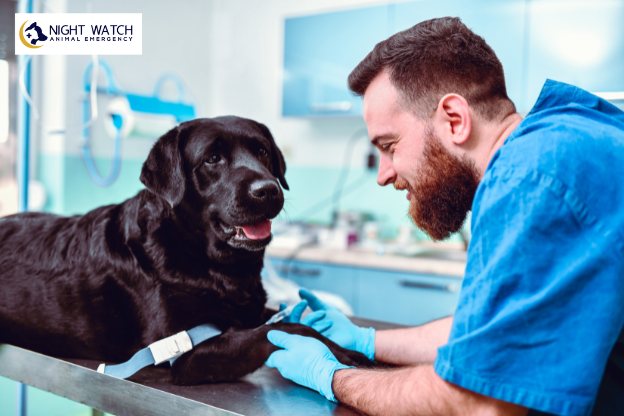
Senior dog care and senior cat care should focus on regular wellness exams, routine health screenings, age-appropriate vaccines, and keeping pets comfortable as they age. Early detection is one of the best ways to help older pets stay healthier for longer and avoid serious emergencies.
As pets grow older, their needs change. They may slow down, sleep more, struggle with stairs, lose hearing or vision, or develop chronic conditions such as arthritis, kidney disease, or heart disease. Many of these changes happen gradually, which is why regular checkups matter. With the right care plan, older dogs and cats can continue to enjoy a happy, comfortable quality of life.
Table of Contents
ToggleWhat Does Senior Dog Care and Senior Cat Care Include?
Senior pet care includes preventive care, routine exams, vaccinations, diagnostic testing, nutrition support, mobility management, and monitoring for age-related disease.
For most pets, this means:
- Wellness exams every 6 months
- Routine bloodwork and urinalysis
- Vaccine reviews
- Dental evaluations
- Weight and mobility monitoring
- Pain management when needed
- Screening for vision, hearing, and cognitive changes
Older pets can develop health conditions slowly. A pet may appear “normal” at home while kidney disease, diabetes, thyroid disease, liver disease, or arthritis is developing in the background.
When Is a Pet Considered a Senior?
When Is a Pet Considered a Senior?
Dogs and cats are usually considered seniors around 7 years of age, although larger dog breeds may become seniors earlier.
Cats often show aging changes later than dogs, but they are still at risk for chronic disease as they grow older. Senior pets may experience:
- Reduced activity
- Weight gain or weight loss
- Changes in appetite
- Trouble jumping or climbing
- More sleeping
- Increased thirst or urination
- Confusion or nighttime restlessness
These changes should not automatically be dismissed as “just old age.” There are signs that your pet needs a senior pet wellness exam.
Why Is a Senior Pet Wellness Exam Important?
A senior pet wellness exam helps veterinarians identify hidden health issues before they become more serious.
Many age-related conditions do not cause symptoms in the early stages. Routine exams give your veterinarian the opportunity to track changes in your pet’s weight, heart function, joints, eyes, teeth, and behavior.
A senior wellness visit may include:
- Physical examination
- Blood pressure check
- Dental evaluation
- Weight and body condition score
- Joint and mobility assessment
- Review of appetite, thirst, urination, and sleep
Senior pets benefit from exams every six months because their health can change much faster than that of younger animals.
What Health Screenings Should Senior Pets Receive?
Senior pet health screening is one of the most important parts of aging pet care. Common screenings include:
- Complete blood count (CBC)
- Blood chemistry panel
- Urinalysis
- Thyroid testing
- Blood pressure monitoring
- Fecal testing
- X-rays or ultrasound when needed
These tests help detect conditions such as:
- Kidney disease
- Liver disease
- Diabetes
- Thyroid disease
- Heart disease
- Cancer
- Anemia
- Urinary tract infections
Many senior pets also benefit from testing through specialized internal and external veterinary diagnostic labs. Bloodwork, urinalysis, imaging, and pathology testing can uncover health concerns before symptoms become severe.
Night Watch Elite Animal Emergency uses advanced diagnostics, blood testing, imaging, and emergency evaluation to help identify serious conditions quickly when pets are sick or declining after hours. Their team also offers overnight annual wellness visits when a daytime veterinarian is unavailable.
Which Vaccines Do Senior Dogs and Cats Still Need?
Geriatric pet vaccines are still important because older pets remain at risk for infectious diseases.
However, senior pets may not need the exact same vaccine schedule they had when they were younger. Vaccine plans should be based on:
- Age
- Lifestyle
- Overall health
- Exposure risk
- Existing medical conditions
Senior dogs may still need vaccines for:
- Rabies (required by law)
- Distemper
- Parvovirus
- Bordetella
- Leptospirosis
Senior cats may still need vaccines for:
- Rabies (required by law)
- Feline viral rhinotracheitis
- Calicivirus
- Panleukopenia
- Feline leukemia virus in certain cases
Your veterinarian may recommend spacing vaccines differently or running titers depending on your pet’s health history.
What Are the Most Common Health Problems in Aging Pets?
Older dogs and cats are more likely to develop chronic conditions. Common senior dog care concerns include:>
- Arthritis
- Heart disease
- Cancer
- Dental disease
- Hearing loss
- Cognitive decline
- Diabetes
Common senior cat care concerns include:
- Kidney disease
- Hyperthyroidism
- Arthritis
- Dental disease
- High blood pressure
- Weight loss
- Cognitive changes
Watch for warning signs such as:
- Limping
- Trouble standing up
- Accidents in the house
- Increased drinking or urination
- Vomiting
- Difficulty breathing
- Nighttime pacing
- Confusion
- Loss of appetite
How Can You Keep Your Senior Pet Comfortable at Home?
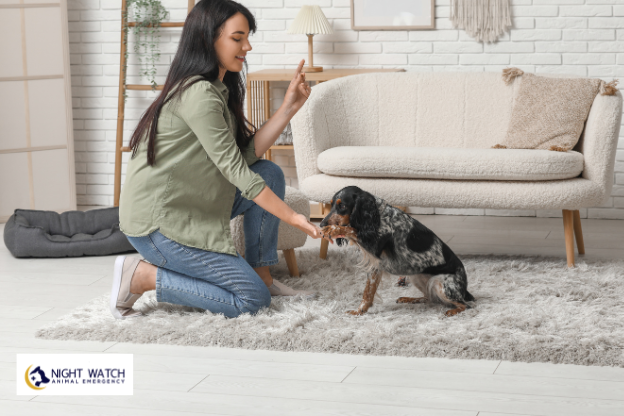
Keeping your pet comfortable is an important part of aging pet care. Simple changes at home can make a major impact:
- Provide soft orthopedic bedding
- Use ramps or stairs near furniture
- Keep food, water, and litter boxes easy to access
- Use rugs to prevent slipping
- Keep pets warm during colder months
- Maintain a healthy body weight
- Trim nails regularly for better mobility
- Offer low-impact exercise and short walks
Senior cats often benefit from litter boxes with low sides, while older dogs may benefit from joint-friendly flooring and elevated feeding bowls.
If your pet has chronic pain, arthritis, breathing changes, or difficulty getting comfortable at night, contact your veterinarian.
When Should You Take an Older Pet to an Emergency Veterinarian?
Some symptoms in senior pets should never wait. Seek help from an emergency veterinarian San Antonio if your pet has:
- Trouble breathing
- Collapse or weakness
- Pale gums
- Seizures
- Severe vomiting or diarrhea
- Bloated abdomen
- Sudden inability to walk
- Persistent pain
- Heavy panting at night
- Blood in urine or stool
Night Watch Elite Animal Emergency provides after-hours and overnight emergency care for pets in San Antonio. Their team is trained to manage urgent conditions, perform advanced diagnostics, and stabilize pets when every minute matters. They also offer access to pet blood testing, imaging, surgery, and critical care services when your pet cannot wait until morning.
Frequently Asked Questions
How often should a senior pet have bloodwork?
Most senior pets should have bloodwork every 6 to 12 months. Pets with chronic conditions may need testing more often.
Are vaccines safe for older pets?
Yes. Most vaccines are safe for senior pets, but vaccine schedules should be adjusted based on your pet’s age, health, and lifestyle.
Why is my older dog panting more at night?
Nighttime panting can be linked to pain, anxiety, heart disease, breathing issues, or hormonal conditions. Persistent panting should be evaluated.
Why is my older cat losing weight?
Do older pets need more frequent vet visits?
Yes. Senior pets should typically see a veterinarian every six months because health changes can happen quickly.
Conclusion
Senior dog care and senior cat care are about more than growing older. They involve proactive wellness exams, routine screenings, updated vaccines, and home adjustments that help pets stay comfortable. By identifying health problems early and responding quickly to changes, pet owners can help senior pets enjoy a safer, healthier, and more comfortable life.
Need After-Hours Care for Your Senior Pet?
If your older dog or cat is showing signs of pain, breathing trouble, weakness, vomiting, or sudden behavior changes, Night Watch Elite Animal Emergency is here to help. Our team provides overnight emergency care, advanced diagnostics, bloodwork, imaging, and urgent treatment for senior pets in San Antonio when they need immediate attention.