
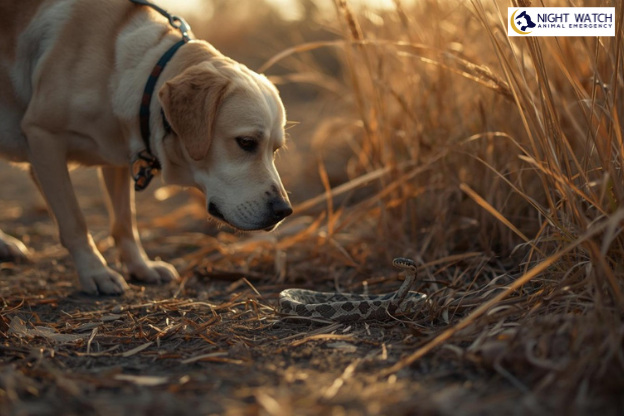
In South Texas, snakes begin emerging as early as February and March as temperatures rise. After a winter dormancy period, they become more active in search of food, warmth, and mates.
Rattlesnakes, especially the Western diamondback, are one of the most commonly encountered venomous snakes in San Antonio. While snakes generally avoid humans, encounters increase in spring simply because both people and pets are spending more time outdoors.
This is also the time of year when visits to the emergency animal hospital start increasing. Most dogs aren’t bitten because they’re aggressive—they’re bitten because they’re curious.
Be cautious if your dog is:
Do NOT:
Even if your dog is vaccinated, immediate emergency care is still required after a bite.
The good news? Most bites are preventable with awareness and simple precautions.
As you enjoy the beautiful San Antonio spring with your dog, staying alert can make all the difference—and knowing when to act fast could save your pet’s life.
Rattlesnakes, especially the Western diamondback, are one of the most commonly encountered venomous snakes in San Antonio. While snakes generally avoid humans, encounters increase in spring simply because both people and pets are spending more time outdoors.
This is also the time of year when visits to the emergency animal hospital start increasing. Most dogs aren’t bitten because they’re aggressive—they’re bitten because they’re curious.
Table of Contents
ToggleWhy Dogs Are at Risk
Dogs explore the world with their noses, which puts them at higher risk of snake bites.Be cautious if your dog is:
- Nose down in tall grass
- Sniffing around rock or wood piles
- Investigating unfamiliar sounds
Biggest Risk Areas for Rattlesnake Encounters
- Tall grass and hiking trails
- Rock piles or wood stacks
- Early morning or evening walks
- Off-leash exploring
How to Protect Your Dog from Rattlesnake Bites
Taking preventive steps can significantly reduce the risk:- Keep your dog on a leash in high-risk areas
- Avoid letting them sniff blindly into brush or tall grass
- Keep your yard trimmed and free of debris
- Stay alert during walks, especially in spring
- Consider professional snake aversion training
Rattlesnake Bite and Medical Emergency
A rattlesnake bite should always be treated as an emergency.Watch for These Symptoms:
- Sudden swelling (face, neck, or legs)
- Pain, limping, or distress
- Puncture wounds (may be hard to see due to swelling or fur)
What to Do Immediately:
- Go to an emergency animal hospital right away
- Call ahead to confirm antivenom availability
- Keep your dog calm and still to slow venom spread
- Do not delay—treatment is most effective within 3–4 hours
Avoid Dangerous Myths About Snake Bites
There are no safe home remedies for rattlesnake bites.Do NOT:
- Attempt to suck out venom
- Apply ice or a tourniquet
- Wait for symptoms to improve
What About the Rattlesnake Vaccine?
Recent studies suggest that the rattlesnake vaccine may not be as effective as once believed, and many veterinarians no longer recommend it.Even if your dog is vaccinated, immediate emergency care is still required after a bite.
Stay Safe This Spring
Rattlesnakes are a natural part of the Texas ecosystem and help control pests, but they require caution and respect.The good news? Most bites are preventable with awareness and simple precautions.
As you enjoy the beautiful San Antonio spring with your dog, staying alert can make all the difference—and knowing when to act fast could save your pet’s life.
Frequently Asked Questions
How common are rattlesnake bites in dogs during spring?
Rattlesnake bites are more common in spring as snakes become active and pets spend more time outdoors, increasing the chances of encounters.
How quickly should I take my dog to an emergency animal hospital after a bite?
Immediately. Treatment is most effective within 3–4 hours, and delays can significantly increase the risk of complications or death.
Can a dog survive a rattlesnake bite without treatment?
Survival without treatment is unlikely and extremely risky. Immediate veterinary care is essential for the best outcome.
What happens at the vet after a snake bite?
Your dog may receive antivenom, pain management, and supportive care. A diagnostic veterinary laboratory may be used to run blood tests and monitor organ function.
Are certain dogs more at risk for snake bites?
Yes, dogs that are off-leash, highly curious, or frequently in wooded or grassy areas are at higher risk.