

If your cat has not eaten for 24 hours, it can be an early warning sign of a medical emergency, especially if other symptoms are present. In many cases, waiting longer can increase the risk of serious complications, so knowing when to seek emergency care matters.
Loss of appetite in cats is never something to ignore. Cats are biologically wired to eat frequently, and even short periods without food can quickly impact their liver, hydration status, and overall stability. For pet parents, the challenge is knowing when “my cat skipped a meal” becomes “my cat needs an emergency vet now.”
Table of Contents
ToggleWhy Is My Cat Not Eating?
When a cat is not eating, it is usually a symptom, not a diagnosis. Understanding the possible causes helps determine urgency.
What are the most common reasons a cat stops eating?
Cats may stop eating due to:
- Dental pain or oral infections
- Gastrointestinal upset
- Stress or environmental changes
- Fever or infection
- Pain from injury or internal illness
While mild causes exist, appetite loss lasting 24 hours or more should always be taken seriously.
How Long Can a Cat Safely Go Without Eating?
Cats cannot safely fast for long periods. Their metabolism is different from dogs and humans.
Is 24 hours without food dangerous for a cat?
Yes, 24 hours without eating can be dangerous, particularly for:
- Overweight cats
- Senior cats
- Cats with chronic conditions
Cats that don’t eat are at risk for hepatic lipidosis (fatty liver disease), a potentially life-threatening condition that can develop quickly.
When Does a Cat Not Eating Become an Emergency?

Not every skipped meal is an emergency, but certain timelines and symptoms raise red flags.
When should I go to an emergency vet?
You should seek emergency care if your cat:
- Has not eaten for 24 hours or more
- Is lethargic, hiding, or weak
- Is vomiting or gagging
- Shows signs of pain (crying, hunched posture)
- Has trouble breathing
- Has diarrhea or signs of dehydration
If appetite loss is combined with vomiting, it may overlap with a pet vomiting emergency, which increases urgency.
What Symptoms Along With Not Eating Are Most Concerning?
Loss of appetite rarely happens alone in emergencies.
What warning signs mean I should not wait?
Watch closely for:
- Vomiting (especially repeated or projectile)
- Drooling or pawing at the mouth
- Rapid or labored breathing
- Yellowing of eyes or gums
- Sudden weight loss
- Collapse or unresponsiveness
These symptoms often indicate systemic illness or internal injury requiring immediate evaluation.
Could This Be Pain-Related?
Yes. Pain is one of the most under-recognized reasons cats stop eating.
How does pain affect a cat’s appetite?
Cats instinctively hide pain. Conditions such as:
- Dental abscesses
- Abdominal inflammation
- Urinary blockages
- Post-trauma injuries
can all suppress appetite. Cats may appear “quiet” rather than obviously distressed.
Can Stress or Anxiety Cause a Cat to Stop Eating?
Stress can play a role, but it should never be assumed without ruling out medical causes.
When is stress less likely to be the cause?
If your cat:
- Skips more than one meal
- Stops drinking water
- Acts differently than usual
Then medical evaluation is recommended, even if stress is suspected.
What Happens at an Emergency Vet Visit for a Cat Not Eating?
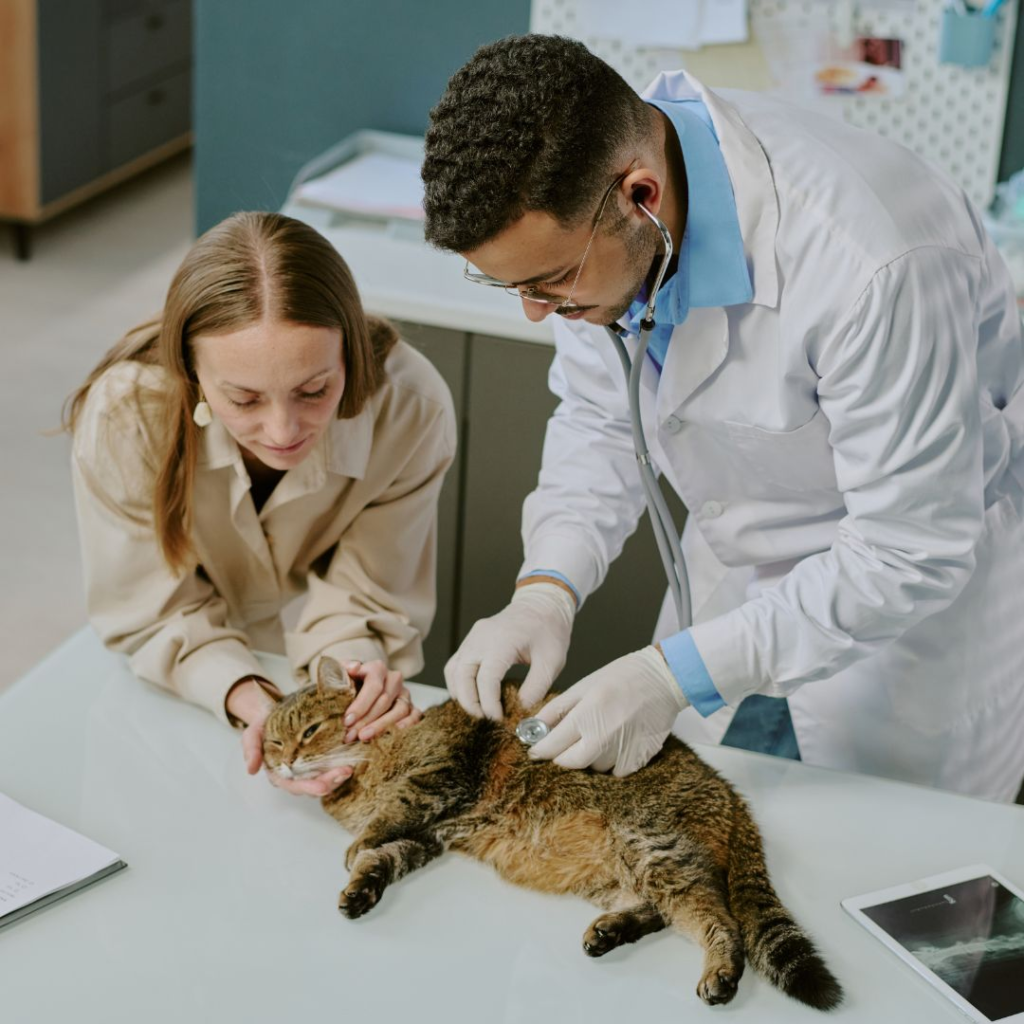
Emergency evaluation focuses on stabilization and diagnosis.
What will the emergency vet check first?
At an emergency hospital like Night Watch Elite Animal Emergency, the care team may:
- Assess hydration and vital signs
- Perform bloodwork to evaluate organ function
- Check for infections, inflammation, or metabolic issues
- Take imaging if needed (X-rays, ultrasound)
If surgery is required, advanced care such as emergency vet surgery may be discussed based on findings.
Can I Wait Until Morning to See My Regular Vet?
Timing matters, especially overnight.
When waiting is risky
Do not wait if:
- It has been 24 hours or more with no food
- Symptoms are worsening
- Your cat cannot keep water down
Delaying care can allow treatable conditions to become life-threatening.
What Should I Do Right Now If My Cat Is Not Eating?
Immediate steps can make a difference.
What pet parents should do immediately
- Remove food and re-offer something aromatic (only briefly)
- Do not force-feed
- Check for vomiting, litter box changes, or breathing issues
- Contact an emergency vet San Antonio provider if unsure
When in doubt, it is safer to have your cat evaluated.
Why Early Emergency Care Improves Outcomes
Early intervention often means:
- Less invasive treatment
- Shorter hospital stays
- Better recovery outcomes
Cats treated early for appetite loss-related emergencies typically have a much better prognosis than those seen after several days.
Key Takeaways for Pet Parents
What to remember about cats not eating
- Cats should not go 24 hours without food
- Appetite loss is often the first sign of serious illness
- Combined symptoms increase emergency risk
- Emergency evaluation can be life-saving
Trust your instincts; if something feels wrong, it probably is.
Frequently Asked Questions (FAQs)
1. Can a cat stop eating because of hairballs?
Hairballs can reduce appetite temporarily, but persistent refusal to eat may indicate obstruction or gastrointestinal irritation and should be evaluated.
2. Should I syringe-feed my cat if they won’t eat?
No. Force-feeding can cause aspiration and worsen stress. Seek veterinary care instead.
3. Is not eating worse than not drinking?
Both are serious, but not eating can quickly lead to liver complications in cats.
4. How fast can a cat decline without food?
Some cats can decline significantly within 24–48 hours, especially if an underlying illness is present.
Conclusion
When a cat does not eat lasts 24 hours or more, it is rarely harmless. Appetite loss is often the first visible sign of pain, infection, or internal illness, and cats can decline faster than many pet parents expect. Acting early can prevent serious complications, reduce the need for invasive treatment, and significantly improve recovery outcomes. If your cat seems “off,” trust that instinct. Prompt veterinary evaluation can make all the difference.
Get Emergency Care Now at Night Watch Elite Emergency
If your cat has not eaten for 24 hours or is showing concerning symptoms, do not wait. Contact an emergency vet clinic right away to have your cat evaluated and treated before the condition worsens.