
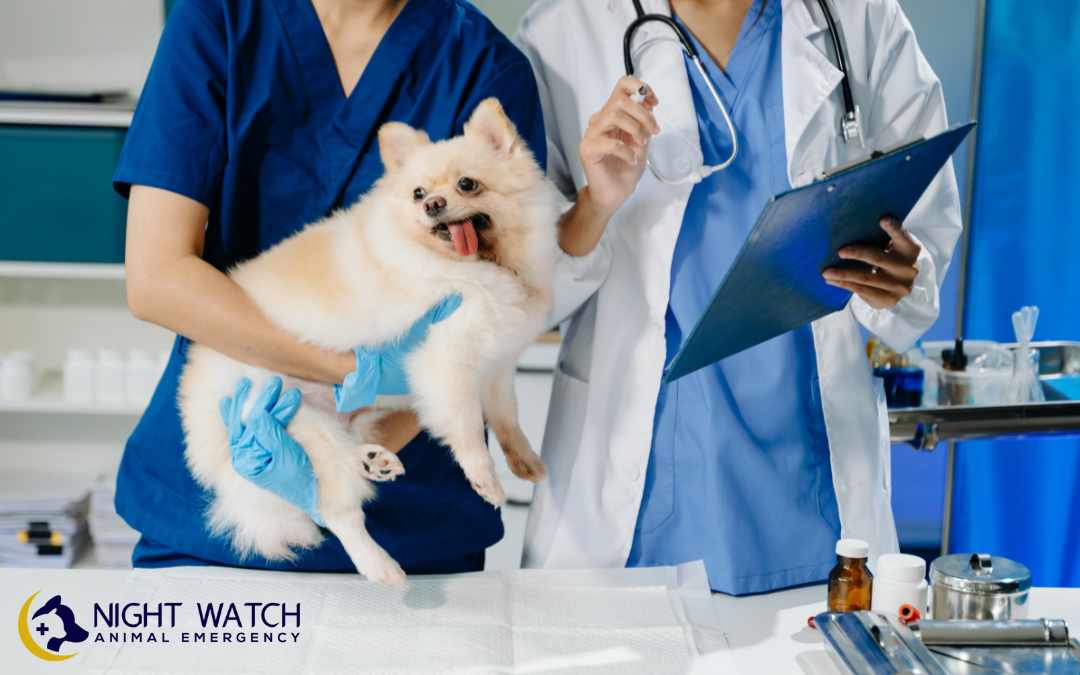
A veterinary diagnostic lab is where veterinarians analyze your pet’s blood, urine, and tissue samples to uncover hidden illnesses, monitor organ function, and guide treatment. Pets need lab testing for routine health screenings, surgical preparation, or emergencies when symptoms appear suddenly.
These tests allow veterinarians to detect diseases early, guide treatment decisions, and monitor your pet’s recovery with scientific accuracy.
At Night Watch Animal Emergency, our on-site diagnostic lab operates around the clock, giving our doctors immediate access to test results when every minute counts. Whether it’s a wellness screening or an urgent emergency, understanding how lab testing works and when your pet may need it helps you make informed, confident decisions.
Key Takeaways
- Veterinary lab testing reveals internal health issues invisible during physical exams.
- In-house vet diagnostics enable faster decision-making and improved outcomes.
- Routine pet lab services support prevention and early detection.
- Emergency clinics like Night Watch Animal Emergency provide immediate, accurate results.
- Regular animal health screening keeps pets healthier, longer.
What Is Veterinary Lab Testing, and Why Does It Matter
Veterinary lab testing is the medical science behind your pet’s diagnosis. Just as human doctors rely on lab work to check organ function, infections, or deficiencies, veterinarians use diagnostic testing to interpret your pet’s internal health.
- Definition: Veterinary lab testing pets refers to the scientific analysis of your pet’s biological samples, such as blood, urine, or feces, to assess organ performance and detect disease.
- Purpose: These tests uncover issues that a physical exam alone can’t reveal, supporting early diagnosis and effective treatment.
- Routine vs. Emergency Testing:
- Routine screenings monitor ongoing wellness and detect subtle changes.
- Emergency diagnostics pinpoint causes of acute illness or injury.
- Animal Health Screening: Regular testing plays a key role in preventive medicine, helping keep your pet healthy from the inside out.
What Happens Inside a Veterinary Diagnostic Lab
Inside a veterinary lab, your pet’s samples are transformed into data that tells a story about hydration, organ health, and overall wellness. It’s a blend of advanced technology and expert analysis.
- Sample Collection: A small amount of blood, urine, or fecal material is collected and labeled for accurate tracking.
- Processing & Analysis: Using veterinary testing equipment such as hematology analyzers, chemistry panels, and microscopes, lab technicians evaluate dozens of parameters, from red blood cell count to enzyme activity.
- In-House Vet Diagnostics: Clinics with on-site labs, like Night Watch Animal Emergency, process results within minutes, ensuring timely treatment.
- Reference Labs: Complex tests (like cultures or genetic panels) are sent to external facilities for specialized analysis.
- Quality Control: Each test follows strict accuracy protocols to eliminate contamination and ensure dependable results.
- Digital Integration: Results are uploaded directly to patient records, so your vet can interpret and act immediately.
Types of Pet Lab Tests | From Routine to Urgent
Veterinary diagnostic labs run a wide range of tests, from preventive panels to emergency diagnostics that can save lives.
- Routine Wellness Panels
- Complete Blood Count (CBC): Evaluates red and white blood cells, checking for anemia or infection.
- Blood Chemistry Panel: Measures enzymes and electrolytes for liver, kidney, and metabolic health.
- Urinalysis: Assesses kidney function and hydration, and screens for urinary infections.
- Fecal Analysis: Detects internal parasites and digestive health concerns.
- Complete Blood Count (CBC): Evaluates red and white blood cells, checking for anemia or infection.
- Specialized or Advanced Diagnostics
- Cytology: Examines cell samples for signs of inflammation, infection, or cancer.
- Hormonal Panels: Evaluate thyroid, adrenal, or reproductive hormone balance.
- Culture & Sensitivity: Identifies bacteria and determines effective antibiotics.
- Cytology: Examines cell samples for signs of inflammation, infection, or cancer.
- Emergency Tests
- Blood Gas & Electrolyte Testing: Critical for trauma, dehydration, or poisoning.
- Clotting Profiles: Determine bleeding risk before surgery or after toxin exposure.
- Blood Gas & Electrolyte Testing: Critical for trauma, dehydration, or poisoning.
Each test provides valuable clues that help your veterinarian tailor a treatment plan unique to your pet’s needs.
When Does Your Pet Need Lab Testing?
Pet owners often ask, “How do I know when my pet needs lab work?” The answer depends on your pet’s health history, age, and symptoms.
- When Symptoms Appear: If your pet shows lethargy, vomiting, diarrhea, appetite loss, or unusual behavior, testing can identify the cause quickly.
- Annual Wellness Visits: Routine animal health screenings detect problems early, even before symptoms develop.
- Pre-Surgical Tests: Before anesthesia, labs confirm that organ and clotting functions are stable.
- Senior Pets: Older animals should have blood and urine testing every 6–12 months for conditions like kidney disease or thyroid imbalance.
- Chronic Conditions: Pets with diabetes, liver disease, or endocrine disorders need frequent monitoring to guide medication.
Early detection through laboratory testing helps avoid complications and ensures a longer, healthier life for your companion.
Benefits of In-House Diagnostics at Emergency Clinics
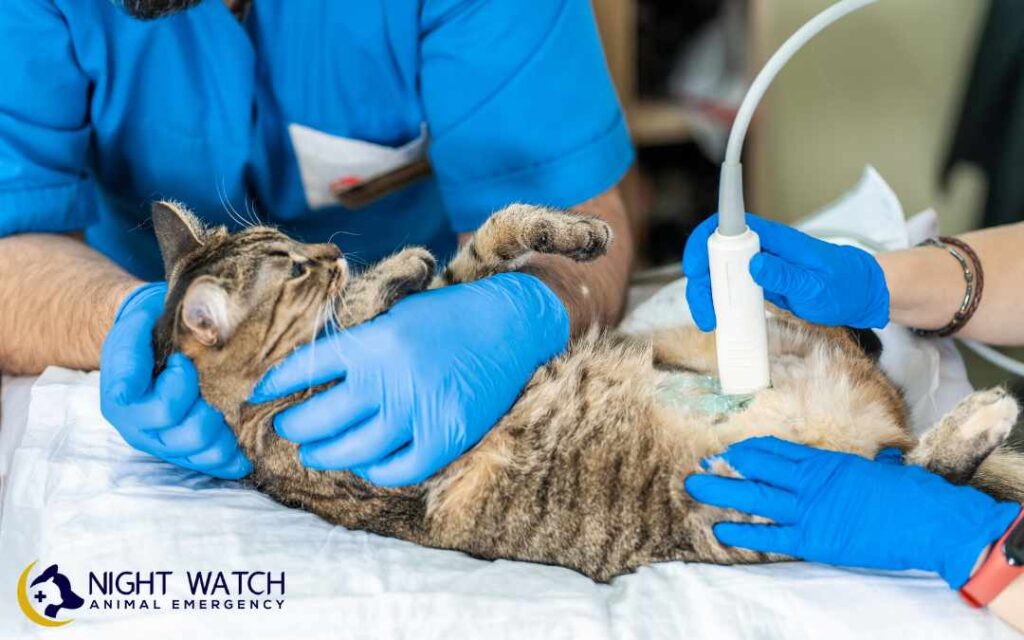
When your pet experiences sudden distress, waiting days for lab results isn’t an option. That’s why Night Watch Animal Emergency features a fully equipped in-house veterinary diagnostic lab, allowing us to analyze samples and begin treatment immediately.
- Speed and Accuracy: On-site analyzers deliver results within minutes.
- 24/7 Availability: Our lab operates around the clock for true emergency readiness.
- Advanced Equipment: From digital blood analyzers to electrolyte machines, our technology ensures precision.
- Improved Outcomes: Rapid testing helps veterinarians make faster, lifesaving decisions.
- Seamless Care: Immediate results mean diagnostics, treatment, and follow-up happen in one visit.
- Reduced Stress: Less waiting means less anxiety for you and your pet.
What to Expect as a Pet Owner
Lab testing might sound intimidating, but most procedures are quick and gentle. Here’s what you can expect during your pet’s diagnostic visit:
- Step 1: Sample Collection – Usually a small blood draw, urine catch, or swab.
- Step 2: Analysis – The lab processes samples right away if performed in-house.
- Step 3: Results Review – Your vet interprets data and explains findings clearly.
- Step 4: Follow-Up Plan – Based on results, your pet may receive treatments, medication, imaging, or additional monitoring.
- Comfort First: Our trained technicians ensure your pet’s safety and calm throughout testing.
Understanding each step can relieve your mind and help you feel confident about your pet’s care.
FAQs
What types of tests are done in a veterinary lab?
Common tests include bloodwork, urinalysis, fecal exams, and cytology to evaluate your pet’s organ function and detect infections, parasites, or inflammation.
How quickly will I get my pet’s lab results?
Most in-house labs deliver results the same day. For specialized or culture-based tests, expect 1–3 business days.
Are lab tests safe for my pet?
Yes. The majority of tests are minimally invasive and performed under sterile, stress-minimized conditions.
How often should my pet have lab work done?
Healthy pets should be tested annually, while seniors or those with chronic conditions may need testing every 3–6 months.
Why choose Night Watch Animal Emergency for diagnostic testing?
Our veterinary diagnostic labs combine advanced technology, experienced technicians, and 24/7 access to deliver rapid, reliable results when your pet needs them most.
Conclusion: Lab Testing Keeps Pets Healthier, Longer
Veterinary lab testing is one of the most powerful tools for protecting your pet’s health. From early disease detection to emergency care, these tests give veterinarians the information they need to act fast and effectively. Whether it’s a routine checkup or a sudden illness, understanding how these tests work helps you keep your pet healthy, comfortable, and safe.
Quick, Accurate Results | 24/7 Veterinary Lab Testing for Pets
At Night Watch Animal Emergency, our in-house vet diagnostics deliver results within minutes, because when your pet is unwell, every second matters. Visit our clinic anytime for complete pet lab services, advanced veterinary testing equipment, and compassionate care from experts who treat your pets like family.